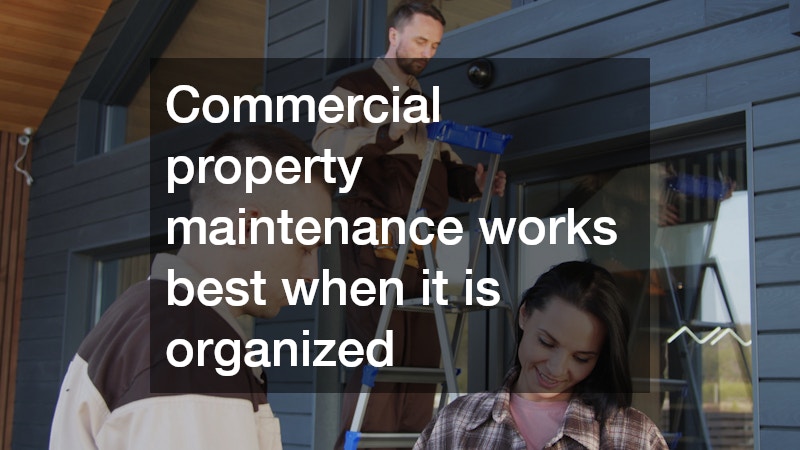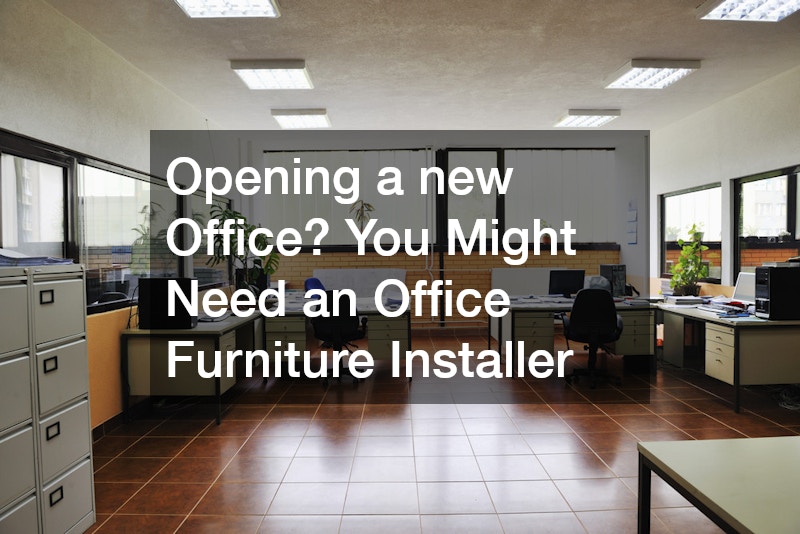
Commercial property maintenance is not just about keeping a building presentable. It is a daily risk-management function that affects safety, tenant retention, operating costs, and the long-term value of the asset. The strongest maintenance programs are not built around emergency calls alone. They are built around inspection habits, timely repairs, clean records, and better decisions about what needs attention now versus what can be scheduled strategically.
A practical plan also recognizes that different systems age in different ways. Roofing, pavement, security hardware, plumbing, HVAC, lighting, and exterior boundaries each create their own maintenance demands, and those demands often overlap. Owners and managers who treat the property as one connected environment usually make better use of their budget. The tips below focus on that broader view so routine upkeep supports both daily function and long-term stability.
Keep A Running Property Baseline
Strong commercial property maintenance starts with a clear picture of current conditions. Owners, managers, and facility teams should walk the site with a repeatable checklist that covers roofs, pavement, entries, lighting, drainage, restrooms, HVAC zones, storage areas, and life-safety points. A detailed baseline helps separate cosmetic wear from developing risk. It also makes it easier to prioritize work before a small issue affects tenants, customers, or daily operations.
When larger repairs or layout changes are already visible during that first review, it helps to bring in commercial building contractors early enough to define scope, sequencing, and likely disruption. Early planning prevents rushed decisions, duplicated work, and budget surprises later in the year. It also gives property teams a better way to compare immediate fixes against longer-term improvements. That kind of clarity is especially useful when several systems are aging at once.
Inspect The Roof Before It Fails
Roof trouble often begins quietly. A clogged drain, loose flashing, split sealant, or standing water patch may not seem urgent during a normal week, but those conditions can turn into interior damage after one strong storm. Regular inspections, photo records, and quick follow-up repairs help extend roof life and protect insulation, ceiling materials, and electrical equipment below. Waiting for a visible leak usually means the real cost has already grown.
A reliable commercial roofing company should be part of a preventive schedule rather than an emergency contact saved for the worst day of the year. Routine reviews around penetrations, parapets, rooftop equipment, and drainage paths can reveal wear before water reaches occupied space. That approach protects operations, reduces surprise shutdowns, and supports more accurate capital planning. It also gives managers a clearer record when deciding whether to repair, restore, or replace.
Treat Pavement Problems As Safety Issues
Sidewalk cracks, uneven joints, crumbling curbs, and settling pads do more than age a property visually. They create trip hazards, interfere with carts and deliveries, collect water, and make the site look neglected even when the building itself is well managed. Small surface defects are usually cheaper to address when they first appear. They also become easier to track when teams note whether the damage is linked to drainage, vehicle traffic, or freeze-thaw movement.
Working with local concrete contractors can help property teams decide when patching is enough and when replacement makes more sense for long-term performance. The right repair method depends on traffic levels, drainage behavior, joint condition, and the importance of curb appeal at the site. Scheduling those repairs before peak weather swings can reduce disruption and improve curing conditions. It also helps avoid the cycle of repeating the same temporary fix every season.
Make Building Security Part Of Daily Maintenance
Security hardware should be treated like any other operating system in the building. Doors need to latch correctly, hinges need adjustment, cameras need clear sightlines, and gates need regular testing under real use conditions. A poorly maintained entry point can cause tenant frustration long before it creates a formal security incident. Daily function matters just as much as the original installation.
When credentials, readers, intercoms, software updates, and door hardware all need to work together, an experienced access control company can help keep the system dependable as the property changes. Tenant turnover, staffing updates, delivery patterns, and after-hours access rules all affect how well the system performs. Reviewing those details on a routine basis reduces weak points that develop slowly over time. It also helps management avoid the common mistake of adding new devices without updating the broader access plan.
Pay Attention To Indoor Air Quality
Air quality complaints often show up as comfort complaints first. Occupants may describe stuffy conference rooms, lingering odors, uneven temperatures, or more dust than usual, even when the equipment still seems to be running. Those signals deserve attention because they can point to airflow imbalance, neglected maintenance, moisture issues, or ventilation shortfalls. A building that feels stale is harder for tenants and employees to use productively.
In properties with recurring odor, dust, or occupancy concerns, commercial air cleaning can be a useful part of a broader indoor air quality strategy. It works best when paired with source control, coil cleaning, duct review, moisture management, and proper ventilation settings. Treating air quality as a system issue leads to better results than relying on one isolated fix. It also helps managers explain to occupants what is being addressed and why.
Do Not Let Minor Plumbing Issues Linger
Small leaks are easy to postpone because the first signs do not always look dramatic. A slow drip under a sink, a toilet that keeps running, low hot-water performance, or an occasionally backed-up drain may feel manageable until they start affecting finishes, tenant satisfaction, or monthly water costs. Plumbing problems also have a way of spreading into adjacent spaces. Quick response is usually cheaper than cleanup, replacement, and complaint management.
A disciplined commercial plumbing plan should include fixture checks, shutoff verification, leak response procedures, drain maintenance, and routine review of high-use areas. Break rooms, restrooms, utility sinks, and mechanical spaces deserve extra attention because they absorb so much daily wear. Tracking repeat issues by location can reveal whether the real problem is usage, equipment age, or hidden water pressure concerns. That information makes future repair decisions much easier.
Audit Electrical Reliability Before Demand Peaks
Electrical issues do not need to be dramatic to disrupt a property. Flickering lights, nuisance breaker trips, dead outlets, overheated panels, and inconsistent exterior lighting all signal conditions that deserve investigation. Seasonal demand changes, tenant equipment upgrades, and deferred maintenance can all stress an older system. A steady review process helps prevent outages, protects equipment, and supports safer operation across the site.
Periodic inspections from professional electricians are especially valuable before summer cooling loads, holiday lighting demand, or tenant buildout work increases the strain on the system. They can identify panel capacity concerns, worn components, outdated devices, and code-related issues before those problems interrupt service. That kind of review also helps management coordinate electrical work with other planned maintenance. Good timing matters because electrical repairs often affect occupied areas.
Maintain The Perimeter Before It Looks Neglected
Perimeter maintenance shapes both appearance and control. Damaged gates, leaning sections, rust, broken hardware, and neglected boundary lines can make a site feel less secure and less cared for, even if interior spaces are in good condition. Those conditions also affect traffic flow, storage control, and after-hours access. Exterior boundaries should be checked just as consistently as interior corridors and common areas.
When site boundaries start to show wear, a qualified fence contractor can help determine whether repair, reinforcement, or replacement will provide the best value. The answer often depends on material condition, exposure to vehicles, gate frequency, and how the perimeter supports security goals. Addressing those issues before failure helps preserve both function and appearance. It also prevents emergency fixes that rarely look or perform as well as planned work.
Prepare Early For Winter Conditions
Seasonal weather planning should start long before the first event is on the radar. Snow, ice, freeze-thaw cycles, and cold-weather drainage issues can affect walking surfaces, parking patterns, deliveries, and tenant access in ways that become expensive when teams improvise. Good preparation includes material staging, route priorities, communication plans, and clear responsibility for entrances, loading areas, and emergency paths. Properties that plan early usually recover faster from bad weather.
For sites in colder regions, commercial snow removal services should be reviewed as part of a documented winter operations plan, not as a last-minute phone call. Scope matters here because response times, trigger depths, deicing practices, and sidewalk coverage all affect both safety and cost. A clear agreement reduces confusion during real weather events. It also gives managers a better basis for post-storm review and service adjustments.
Coordinate Repairs With Better Timing
That is why commercial building contractors are often most useful during planning, when several repair needs overlap and management needs a practical order of operations. Their input can help combine trades intelligently, shorten downtime, and prevent situations where one repair has to be reopened so another can begin. Even modest projects benefit from a coordinated approach. The result is usually cleaner execution and less operational friction.
When access lanes, loading areas, or customer approaches begin to deteriorate, local concrete contractors can help property teams match the repair scope to actual wear patterns instead of relying on guesswork. That makes it easier to protect the most heavily used areas first while planning broader restoration in stages. A phased approach often supports both budget control and safer site circulation. It also reduces the temptation to over-repair low-priority areas.
Standardize HVAC Upkeep
HVAC maintenance becomes easier to manage when property teams standardize inspection notes, replacement intervals, vendor documentation, and service records across the whole property. Without a consistent system, buildings often end up with missed changeouts, mixed specifications, and uneven air delivery between spaces. A simple schedule tied to equipment type, occupancy, and seasonal demand makes the program easier to follow. It also creates cleaner records when comfort complaints need to be traced.
During periods of heavy occupancy, renovation dust, or recurring odor complaints, indoor air quality work may deserve a place in the maintenance calendar rather than being treated as an occasional add-on. Keeping the right commercial air filters on hand is important because delayed replacements can undermine airflow and make comfort issues harder to diagnose. When that routine becomes predictable, teams are more likely to catch deeper mechanical problems early. Clear records also make vendor coordination far easier.
Use Budget Reviews To Prevent Bigger Losses
Reserving funds for scheduled reviews with a commercial roofing company is often smarter than waiting until interior damage forces a larger emergency response. Planned spending on targeted inspections, drainage corrections, and timely repairs usually costs less than reacting to ceiling damage, ruined finishes, or interrupted operations. Budgeting for known roof risks also creates a clearer timeline for repair versus replacement decisions. That makes ownership discussions more practical and less reactive.
Budget discussions should also account for commercial air cleaning when occupancy patterns, nearby construction, or renovation activity start affecting comfort inside the building. Setting money aside for indoor air quality work helps management respond with a defined strategy instead of a rushed experiment. It also makes vendor coordination easier when complaints increase. Planned spending is usually more effective than trying to solve a persistent issue under pressure.
Plan For Turnover And Changing Occupancy
During turnover, an access control company can help management reset permissions, remove obsolete credentials, and confirm that entry rules match the next use of the space. Those steps are easy to overlook when attention is focused on paint, flooring, and furniture, yet they matter because transition periods are when old workarounds tend to surface. A clean reset improves both security and daily convenience. It also reduces confusion once the space is active again.
The same transition period is a smart time to ask professional electricians to review outlets, lighting, controls, and any new equipment needs before staff and furniture arrive. That timing makes repairs easier to schedule and helps avoid last-minute scrambling after occupancy begins. It also gives managers a chance to spot capacity concerns before additional devices are plugged in. Empty space is one of the best maintenance windows a property will get.
Track Waste And Exterior Readiness
A stronger commercial plumbing review can support utility control by identifying silent leaks, worn fixtures, pressure problems, and inefficient use patterns before the monthly bill becomes the only warning sign. Leak checks, fixture performance notes, and meter comparisons can reveal issues that ordinary walkthroughs miss. Addressing them improves efficiency without waiting for a true failure. It also helps preserve finishes in restrooms, kitchens, and service areas.
Before busy seasons or occupancy changes, a fence contractor can review gates, hardware, alignment, and damaged sections so the perimeter keeps supporting traffic control and security goals. Looking at those conditions before failure helps management preserve appearance, smoother movement, and a stronger first impression from the curb. Planned perimeter work is usually less disruptive than emergency correction after a gate or section stops performing. It also keeps outside conditions aligned with the quality of the interior.
Revisit The Plan Every Quarter
Quarterly review is a practical time to revisit commercial snow removal services and make sure response expectations still match the property layout, traffic flow, and weather priorities. A service plan that worked last year may not fit a site after tenant changes, gate adjustments, or updated walking routes. Reviewing those details before winter returns helps reduce confusion during actual storms. It also supports better communication with tenants and staff.
Quarterly review is also the right time to confirm whether commercial air filters are being changed on the intended schedule and whether filter performance still matches building conditions. Dust load, occupancy, nearby construction, and equipment runtime can all change what a realistic replacement interval looks like. Those check-ins help separate one-off comfort complaints from repeated patterns. Over time, that habit leads to steadier performance and fewer surprises.
Commercial property maintenance works best when it is organized, documented, and reviewed often enough to catch change before it becomes disruption. A property that follows a clear plan for inspection, repair timing, vendor coordination, seasonal preparation, and utility awareness is easier to operate and easier to protect over time. When teams stay proactive, they usually spend less time reacting, make better use of maintenance dollars, and create a more dependable environment for everyone who uses the building.