Expanding a successful enterprise or opening a brand-new commercial storefront in an unfamiliar geographic market is one of the most exciting milestones an entrepreneur can achieve. Crossing into new territorial boundaries unlocks fresh customer demographics, diversifies revenue streams, and accelerates overall brand equity. However, establishing physical presence in a new region also presents a significant competitive hurdle: overcoming the “new kid on the block” syndrome. Established local competitors already enjoy years of entrenched consumer trust, established search engine rankings, and habitual customer foot traffic.
Preparing the Physical Location and Structural Site Setup
Optimize Temporary Storage and Pop-Up Retail Concepts During Relocation
The weeks leading up to an official commercial launch represent a critical window for building neighborhood anticipation. Long before your permanent doors open, your physical footprint should begin sending subtle, professional signals to nearby foot and vehicle traffic. Managing inventory staging, equipment transport, and retail fixtures effectively pr events physical clutter while offering creative opportunities for early brand exposure.
During the buildout phase, smart operators leverage flexible space solutions to streamline physical preparation:
- Modular Inventory Staging: Utilizing secure, climate-controlled storage units keeps high-value merchandise, office furniture, and POS hardware safe from dust and construction debris during interior renovations.
- Pop-Up Storefront Models: Partnering with an affordable shipping container business allows you to launch a temporary, eye-catching pop-up kiosk directly on your property lot or at nearby local markets to build early community buzz before your permanent building opens.
- Exterior Teaser Branding: Applying custom vinyl wraps, high-resolution banners, and QR codes to temporary exterior structures directs interested passersby to a digital landing page where they can sign up for exclusive opening-day discounts.
Execute Safe Environmental Remediation and Site Preparation
Creating an inviting, healthy interior environment is essential for earning customer trust and protecting employee well-being. Older commercial spaces, historic downtown storefronts, and former industrial facilities frequently hide structural or environmental hazards beneath worn plaster and outdated drywall. Ignoring these hidden defects can lead to catastrophic delays, costly regulatory fines, or negative public relations if hazards are uncovered after opening.
Prior to starting cosmetic interior design work, conduct thorough structural and environmental site audits:
- Hazardous Material Audits: Test older buildings for lead paint, toxic mold, and microscopic mineral fibers hidden inside ceiling tiles, boiler pipe insulation, or floor adhesives.
- Certified Removal Services: Contracting with licensed specialists for commercial asbestos removal ensures that hazardous materials are safely contained, abated, and disposed of in full compliance with federal and state occupational safety standards.
- Indoor Air Quality Restoration: Upgrade aging HVAC ductwork, install commercial-grade air filtration units, and seal subflooring to eliminate lingering chemical or musty odors from prior commercial tenants.
Establishing Utility Infrastructure and Pristine Site Exterior
Secure Independent Utility Infrastructure for Remote or Commercial Facilities
Operating without reliable utilities severely jeopardizes customer satisfaction and damages brand credibility during a launch phase. Whether you are opening an urban retail complex, a suburban commercial center, or a specialized rural facility, verifying that primary mechanical and water systems function at peak capacity is non-negotiable. Unexpected power outages, low water pressure, or utility service interruptions turn away eager first-time customers and generate negative online reviews.
When developing standalone, agricultural, or outlying commercial sites, utility independence provides essential operational security:
- High-Capacity Water Access: For commercial ventures situated outside municipal water grids, partnering with a certified local well driller ensures a continuous, high-volume supply of clean water for daily sanitation, food service, or commercial operations.
- Water Filtration & Softening: Install commercial-grade filtration systems to remove heavy mineral deposits, protecting sensitive ice machines, espresso units, and plumbing fixtures from premature scaling.
- Electrical Load Management: Verify that main service panels can handle peak operational demands, including heavy refrigeration, high-bay LED lighting, and customer HVAC systems.
- Utility Contingency Planning: Maintain secondary backup generators and emergency water storage tanks to keep essential systems running smoothly during localized municipal utility outages.
Maximize Curb Appeal to Attract Immediate Local Foot Traffic
Your exterior building facade serves as a giant, 24/7 billboard for your business. Long before a customer experiences your customer service or products, they form an indelible mental judgment based entirely on your building’s exterior presentation. A neglected exterior with overgrown weeds, faded paint, or poor lighting suggests poor management and drives potential walk-in customers directly to your competitors.
Transform your property’s exterior footprint into an irresistible visual magnet:
- Architectural Landscape Design: Hiring reputable commercial landscape contractors to install manicured lawns, vibrant seasonal flower beds, stone retaining walls, and clean bark mulch beds creates an inviting, polished perimeter.
- High-Impact Signage & Illumination: Install bold, illuminated storefront signage, high-visibility street pylon graphics, and warm LED walkway lighting to ensure your building stands out during evening hours.
- Pedestrian-Friendly Features: Add clean benches, decorative trash receptacles, covered entryway awnings, and clear directional parking signs to make site navigation effortless.
- Routine Exterior Maintenance: Establish a daily morning protocol for sweeping sidewalks, washing exterior glass display windows, and removing trash from parking bays before opening.
Executing High-Impact Digital and Physical Community Outreach
Launch Hyper-Local Digital and Physical Marketing Campaigns
To capture local market share rapidly, your opening campaign must synchronize online visibility with physical, boots-on-the-ground promotion. Modern consumers rely heavily on digital navigation apps and search engines to discover nearby businesses, making hyper-local search engine optimization (SEO) just as critical as printed direct mailers.
Implement a comprehensive marketing strategy that targets surrounding neighborhood pockets:
- Google Business Profile Optimization: Claim and verify your local map listing, adding high-resolution interior photos, exact street address coordinates, opening hours, and direct links to your website.
- Targeted Multi-Channel Campaigns: Executing a balanced business marketing strategy that blends geotargeted social media advertising with Every Door Direct Mail (EDDM) postcards ensures you reach both tech-savvy mobile users and traditional neighborhood residents.
- Localized Content Creation: Write blog posts, location pages, and press releases highlighting your commitment to solving specific problems for residents in your new city.
- Geofenced Digital Ads: Set up virtual digital perimeters around nearby shopping centers, competitor locations, and transit hubs to deliver mobile promotions directly to local shoppers.
Host a Memorable Grand Opening Community Celebration
A grand opening event provides the perfect platform to introduce your brand culture, establish community relationships, and generate immediate buzz across local press and social media channels. Rather than hosting a quiet, low-key opening, transform your launch into an exciting community milestone that offers tangible value to attending neighbors.
To maximize turn-out and engagement during your launch celebration, plan around these event pillars:
- Official Ribbon-Cutting Ceremonies: Partner with your local Chamber of Commerce, city council members, and neighborhood business associations to stage a formal ribbon-cutting ceremony that attracts local journalists.
- Interactive Experiential Elements: Turn your launch into an immersive event featuring live product demonstrations, complimentary food and beverage tastings from neighboring vendors, live music, and high-value prize raffles.
- VIP & Influencer Previews: Host an exclusive preview night prior to the public opening for local community leaders, neighborhood association presidents, and regional social media influencers to secure early organic endorsements.
- Bounce-Back Couponing: Distribute exclusive discount vouchers to event attendees that can only be redeemed on a secondary visit, encouraging quick repeat patronage.
Managing Relocation Logistics and Maintaining Daily Facility Hygiene
Coordinate Seamless Commercial Relocation and Asset Transfer
Executing a physical move to a new location involves moving sensitive computer servers, high-value machinery, delicate retail displays, and specialized office furniture across city or state lines. Mismanaged moving logistics result in broken equipment, misplaced inventory, elevated employee stress, and missed grand opening deadlines.
Partnering with professional logistics experts eliminates transition friction:
- Vetting Specialized Movers: Hiring established, fully insured commercial moving companies guarantees that delicate electronics, heavy machinery, and modular office systems are dismantled, transported, and reassembled safely.
- Sequential Inventory Tagging: Label every crate, desk, and inventory pallet with color-coded destination tags so movers unload items directly into their assigned rooms at the new facility.
- Phased Transition Schedules: Execute equipment transfers over a weekend or during off-peak hours to maintain ongoing customer service at existing locations while setting up the new site.
- Transport Asset Insurance: Secure full-replacement insurance coverage for high-value physical assets while they are in transit to guard against unforeseen transit accidents.
Maintain Pristine Commercial Facilities to Make Winning First Impressions
Once your doors officially open, maintaining immaculate interior sanitation is vital for customer retention and brand prestige. A customer who encounters dusty display shelves, stained carpet, or an unkept restroom will rarely return, regardless of how impressive your grand opening marketing campaign was.
Outsourcing facility sanitation to dedicated specialists guarantees consistent, professional presentation:
- Contracting Professional Janitorial Teams: Partnering with reliable providers of professional office cleaning ensures that retail sales floors, employee breakrooms, customer lounges, and restrooms undergo deep daily sanitization.
- High-Touch Surface Disinfection: Implement daytime protocols for wiping down door handles, POS touchscreens, counter displays, and elevator buttons to foster a healthy, hygienic shopping environment.
- Floor Care & Restoration: Schedule regular floor buffing, carpet shampooing, and tile grout cleaning to protect high-traffic flooring materials from premature wear.
- Freeing Core Staff for Customer Care: Outsourcing heavy cleaning duties enables your sales and customer service team to focus entirely on engaging patrons, demonstrating products, and closing sales.
Building B2B Partnerships, Local Compliance, and HR Scaling
Navigate Regional Tax Structures and Financial Compliance
Relocating or expanding into a new municipal jurisdiction introduces complex legal, financial, and tax obligations. Municipalities vary widely regarding commercial property tax assessments, local business privilege licenses, gross receipts taxes, and regional sales tax collection rates. Failing to establish proper tax structures from day one can lead to severe financial penalties and retroactive tax audits.
Protect your financial standing by seeking qualified regional financial counsel:
- Local Municipal Tax Guidance: Consulting experienced, licensed tax advisors helps you navigate city-specific business tax credits, state economic development incentives, and local enterprise zone benefits.
- Multi-Location Accounting Setup: Structure your accounting software to track income, payroll taxes, and operating expenses separately for each physical location to measure localized profitability accurately.
- Business License & Permit Audits: Verify that all local health permits, occupancy certificates, sign permits, and retail sales licenses are active and prominently displayed before welcoming customers.
- Optimizing Corporate Entity Structures: Work with financial planners to determine whether operating the new location as a subsidiary LLC offers superior asset protection and tax advantages.
Scale Local Staffing and Maintain HR Compliance in New Jurisdictions
Your employees serve as the human face of your brand in the new community. Hiring local talent not only fosters genuine community connections, but also provides your business with team members who understand neighborhood culture, local consumer preferences, and regional vernacular. However, expanding across city or state lines often means navigating unfamiliar labor laws, mandatory benefit thresholds, and localized employment regulations.
Build a strong, compliant local team by deploying structured Human Resources support:
- Localized Employee Handbooks: Utilizing specialized hr support for small business allows you to draft compliant workplace policies that align with state-specific overtime laws, meal break mandates, and leave regulations.
- Targeted Community Recruitment: Partner with local community colleges, job boards, and workforce development agencies to recruit motivated, qualified local candidates.
- Comprehensive Brand Training: Conduct intensive onboarding programs that immerse new local hires in your corporate history, product standards, and customer service philosophy.
- Competitive Compensation Packages: Benchmark local salary data to offer competitive hourly wages and benefits, reducing costly employee turnover during your initial launch phase.
Grand Opening Execution Framework
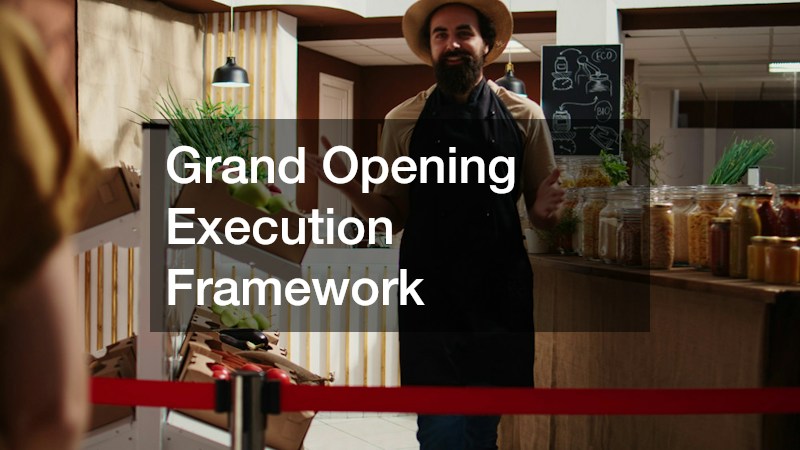
To ensure every aspect of your new location launch moves forward in perfect alignment, utilize this strategic, phase-by-phase execution checklist leading up to opening day:
Phase 1: Site Preparation & Infrastructure (60-90 Days Out)
- Conduct environmental inspections and complete necessary asbestos or mold abatement.
- Verify main electrical capacity and schedule any required well drilling or municipal utility hookups.
- Contract commercial landscape specialists to design and install inviting exterior grounds.
- Review local tax registration requirements and engage regional tax planning advisors.
Phase 2: Operations & Digital Setup (30-60 Days Out)
- Claim and optimize your Google Business Profile, updating maps, hours, and photos.
- Hire commercial movers to coordinate phased equipment and inventory transport.
- Partner with an HR consultant to finalize localized hiring protocols and employee handbooks.
- Launch hyper-local digital advertising campaigns announcing your upcoming grand opening.
Phase 3: Facility Polish & Event Launch (0-30 Days Out)
- Onboard a professional commercial cleaning service for daily facility maintenance.
- Host a VIP preview night for local press, community leaders, and neighborhood influencers.
- Conduct a formal ribbon-cutting ceremony in partnership with the local Chamber of Commerce.
- Execute your grand opening public event featuring live demonstrations, giveaways, and bounce-back offers.
Getting your business noticed in a new location is an exhilarating journey that requires a thoughtful balance of creative marketing, physical site preparation, and operational discipline. By transforming your physical storefront into a pristine visual anchor, building strong local digital visibility, hosting an unforgettable community launch event, and securing robust backend legal, financial, and HR support, you lay the foundation for rapid market adoption and sustained long-term growth.
Every touchpoint matters when introducing your brand to a new neighborhood. From the crisp presentation of your landscaped front entry to the warmth of your locally hired customer service team, every detail reinforces your commitment to serving the community with excellence. Choose your first launch milestone today—whether that means auditing your local map listings, designing your exterior signage, or scheduling your ribbon-cutting ceremony—and take the first confident step toward capturing your new market!